
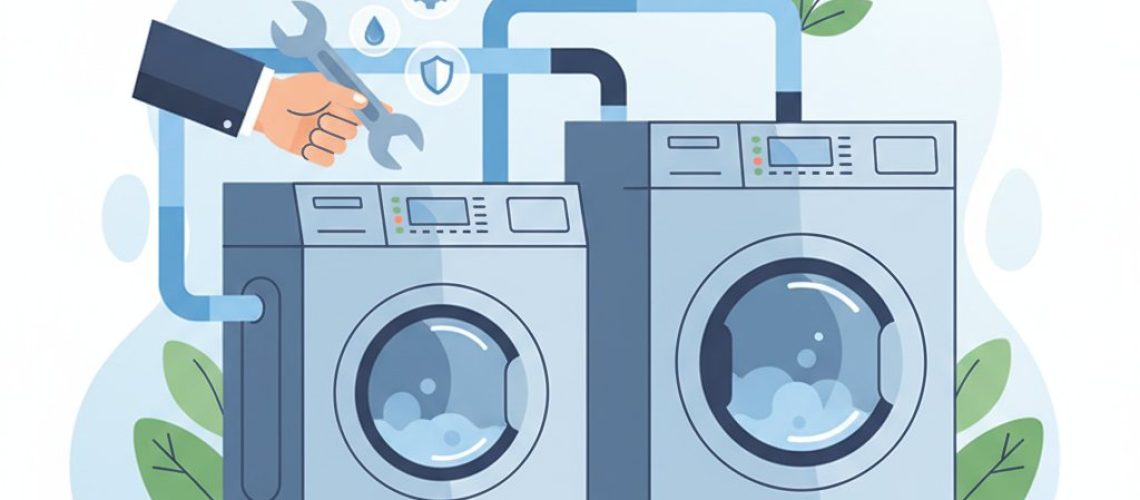
A single unexpected breakdown of commercial laundry equipment can cascade into hundreds or thousands of dollars in lost revenue, emergency service calls, and dissatisfied customers. For South Florida facilities operating hotels, hospitals, multi-housing properties, or laundromats, maintenance isn’t just about keeping machines running—it’s about protecting your investment and ensuring uninterrupted operations in a competitive market.
This guide draws from over five decades of servicing commercial laundry machines across South Florida to provide actionable prevention strategies that extend equipment life, reduce operating costs, and minimize downtime.
Why Prevention Beats Reaction in Commercial Laundry Operations
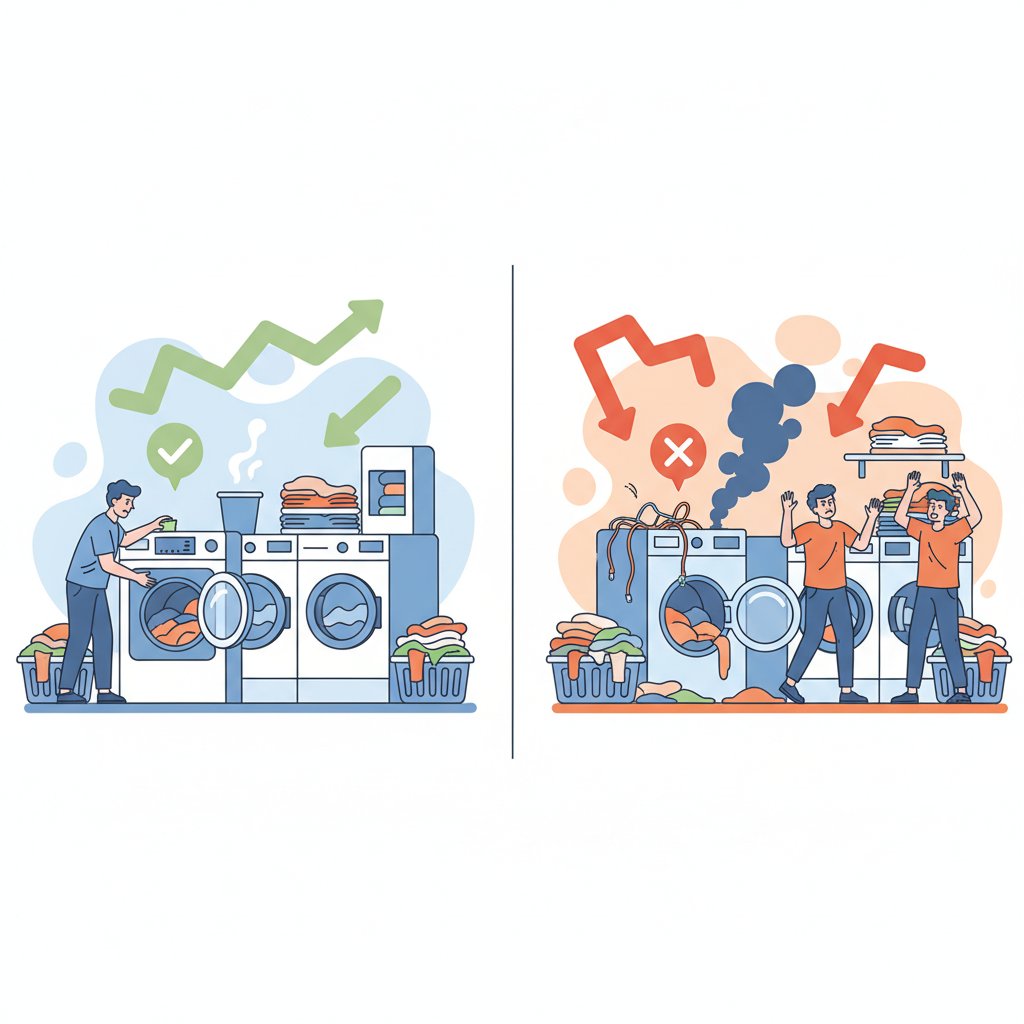
The difference between preventive and reactive maintenance represents the gap between profitable operations and constant firefighting. When commercial washer extractors or dryers fail during peak operations, the consequences extend beyond repair costs.
Consider a 200-room hotel during high season. If your commercial laundry equipment goes down, you’re facing potential linen shortages, delayed room turnover, guest complaints, and the premium cost of emergency service or temporary outsourcing. A multi-housing facility loses a valuable amenity that impacts tenant satisfaction and retention. Laundromats face immediate revenue loss and frustrated customers who may never return.
Preventive maintenance costs a fraction of emergency repairs while delivering measurable benefits: extended equipment lifespan, lower energy consumption, consistent wash quality, and predictable budgeting.
Understanding Your Commercial Laundry Equipment Systems
Effective maintenance begins with understanding what you’re maintaining. Commercial laundry machines differ fundamentally from residential units in construction, capacity, and operational demands.
Washer Extractor Components Requiring Regular Attention
Commercial washer extractors contain several critical systems that demand scheduled inspection and maintenance:
- Water inlet valves and screens: Control water flow and prevent debris contamination
- Door latches and seals: Maintain proper chamber pressure and prevent leaks
- Bearing assemblies: Support cylinder rotation under heavy loads
- Belts and drive systems: Transfer motor power to the wash cylinder
- Suspension systems: Absorb vibration during high-speed extraction
- Electronic controls: Manage cycle parameters and programming
High-extraction speed washers, which have become standard for their energy efficiency and reduced dry times, place particular stress on bearing and suspension components. Quality brands like Speed Queen commercial laundry equipment engineer these systems for durability, but they still require regular inspection.
Dryer Maintenance Priorities
Commercial dryers face different maintenance challenges focused primarily on airflow, heat transfer, and lint management:
- Lint screens and traps: Must be cleaned after every load cycle
- Ductwork and exhaust systems: Require periodic deep cleaning to maintain efficiency and fire safety
- Burner assemblies (gas dryers): Need annual inspection and cleaning
- Heating elements (electric dryers): Should be checked for proper resistance and operation
- Drum seals and rollers: Wear over time and affect drying efficiency
- Moisture sensors: Calibration ensures proper cycle termination
Daily Maintenance Tasks That Prevent Major Problems
The most effective prevention happens at the operator level through consistent daily practices. These tasks take minutes but prevent problems that could sideline equipment for days.
Start-of-Day Checks
Before beginning operations, staff should quickly verify: doors open and close properly with secure latching; control panels respond appropriately; no unusual sounds or vibrations occur during test cycles; and water fills at normal pressure and temperature.
Between-Load Practices
After each wash cycle, wipe down door seals to remove detergent residue and debris that can cause premature seal failure. Check and empty lint traps in dryers without exception—this single habit dramatically improves efficiency and reduces fire risk. Ensure proper loading by weight and fabric type to prevent machine stress and poor cleaning results.
End-of-Day Procedures
Leave washer doors open to allow drum and seal drying, preventing mildew and odor development. Sweep around and under machines to prevent dust and lint accumulation that can affect electronics and airflow. Check floor drains for proper flow, especially important in South Florida where humidity can complicate drainage issues.
Weekly and Monthly Maintenance Schedules
Beyond daily tasks, establishing weekly and monthly maintenance routines catches developing issues before they escalate.
Weekly Maintenance Tasks
Inspect water inlet screens for sediment buildup, particularly relevant for facilities with older plumbing or areas with harder water. Check all visible hoses and connections for wear, cracks, or seepage. Test door interlocks to ensure they prevent operation when doors are improperly closed. Clean external surfaces to maintain professional appearance and allow easier identification of leaks or damage.
Monthly Deep-Maintenance Activities
Monthly maintenance requires more time but protects your investment substantially. Inspect and clean dryer ductwork as far as accessible, checking for restrictions that reduce efficiency. Verify proper drainage by running test cycles and monitoring drain times. Check belt tension and condition on belt-driven machines. Clean detergent dispensers thoroughly to prevent buildup that affects dispensing accuracy. Inspect electrical connections for tightness and signs of overheating.
For facilities with hardmount commercial washer extractors, check mounting bolts for proper torque. Softmount machines require inspection of suspension springs or shock absorbers for wear or damage.
Quarterly Professional Service: The Cornerstone of Prevention
While operator-level maintenance handles daily and weekly needs, quarterly professional service by factory-trained technicians addresses components requiring specialized knowledge and tools.
Professional service should include thorough inspection of all moving parts with lubrication where specified by manufacturer guidelines. Technicians test and calibrate water temperature controls to ensure proper wash chemistry activation. They inspect electrical systems including contactors, relays, and control boards for signs of wear or impending failure. Bearing assemblies receive attention to detect early signs of wear before catastrophic failure occurs.
Working with a commercial laundry equipment supplier that maintains factory authorization ensures technicians receive ongoing training on the specific brands you operate and have immediate access to OEM parts. This relationship proves invaluable when issues arise, as authorized technicians can often diagnose and resolve problems during regular service visits before they cause downtime.
Water Quality Considerations for South Florida
South Florida’s water characteristics create specific maintenance considerations. Mineral content varies significantly across the region, and some areas experience higher iron or calcium levels that accelerate component wear.
Water inlet screens may require more frequent cleaning in areas with higher sediment. Heating elements in washers can develop scale buildup that reduces efficiency and lifespan. Some facilities benefit from water treatment systems that protect commercial laundry machines while improving wash quality and reducing chemical consumption.
During professional service visits, technicians should inspect heat exchangers and heating elements for scale accumulation and recommend descaling procedures when necessary.
Documentation and Record-Keeping
Effective preventive maintenance requires documentation that tracks service history, identifies patterns, and informs equipment replacement decisions.
Maintain a service log for each machine recording daily operational hours or cycle counts if available, all maintenance activities with dates and staff initials, any unusual sounds, vibrations, or performance issues, and professional service visits with technician notes and parts replaced.
This documentation helps identify recurring problems that might indicate design issues or operational practices needing adjustment. It also provides valuable data when evaluating whether aging equipment warrants continued repair investment or replacement.
Training Your Team for Maintenance Success
Even the best maintenance schedule fails without properly trained staff who understand why these tasks matter and how to perform them correctly.
New employee orientation should include proper loading techniques by weight and fabric type, correct detergent and chemical usage, daily cleaning and inspection procedures, and when to report concerns to management or service providers.
Regular refresher training addresses bad habits that develop over time and introduces best practices for new equipment. Many commercial laundry equipment suppliers offer operator training as part of installation or as ongoing service, creating opportunities to strengthen both maintenance practices and service relationships.
Common Mistakes That Compromise Equipment Lifespan
Understanding frequent errors helps facilities avoid costly problems:
Overloading machines ranks as the most common mistake, stressing motors, bearings, and suspension systems while producing poor wash results. Each machine has a rated capacity for good reason—exceeding it saves no time or money when factoring in wear, rewash requirements, and eventual failure.
Using incorrect detergents or chemicals can damage seals, corrode components, and void warranties. Commercial laundry equipment requires commercial-grade products formulated for these machines and water temperatures.
Ignoring minor issues allows small problems to escalate. That slight vibration often becomes a bearing failure. A door that sometimes doesn’t latch properly eventually fails completely at the worst possible time.
Skipping lint trap cleaning costs facilities thousands in efficiency losses and creates serious fire hazards. This five-second task prevents expensive problems.
When to Consider Equipment Replacement
Even excellent maintenance doesn’t make equipment last forever. Knowing when repair costs outweigh replacement value requires honest assessment.
Consider replacement when repair costs exceed 50% of replacement value, especially for aging equipment. If machines require frequent service calls despite preventive maintenance, reliability has degraded below acceptable standards. Newer equipment may offer substantially better energy efficiency that pays for itself through utility savings. Excessive downtime impacts operations beyond repair costs—if equipment reliability affects your business reputation or revenue, replacement becomes necessary regardless of repair feasibility.
Consulting with your commercial laundry equipment supplier about lifecycle expectations for your specific models and usage patterns helps inform these decisions with concrete data rather than guesswork.
Building a Service Partnership
The relationship with your commercial laundry equipment service provider significantly impacts maintenance success. Look for suppliers with established South Florida presence ensuring prompt response times, factory authorization for the brands you operate guaranteeing trained technicians and parts availability, and preventive maintenance programs that schedule regular service automatically.
The best service relationships feel collaborative rather than transactional. Your provider should offer guidance on operational practices, recommend efficiency improvements, and help plan for eventual equipment replacement rather than simply responding to breakdown calls.
Protect Your Investment Through Prevention
Commercial laundry equipment represents a significant capital investment that performs best and lasts longest under a comprehensive preventive maintenance program. The combination of disciplined daily practices, scheduled professional service, proper training, and strong service partnerships creates operations that run smoothly while competitors deal with constant breakdowns and unexpected costs.
Whether you operate hospitality, healthcare, multi-housing, or vended laundry facilities in South Florida, your maintenance approach directly impacts your bottom line and competitive position. The choice between prevention and reaction determines whether your commercial laundry machines serve as reliable profit centers or sources of constant frustration and expense.
For guidance developing a maintenance program tailored to your specific equipment and operational needs, or to discuss whether your current machines warrant continued investment or replacement, contact a commercial laundry equipment specialist serving South Florida with factory-authorized service and over 55 years of industry experience. Your operations deserve partnership with suppliers who view your success as their own.