
Installing commercial laundry equipment represents a significant investment that will impact your operation for the next 10-15 years. Whether you’re opening a new laundromat, upgrading hotel facilities, or establishing an on-premise laundry for a healthcare facility, proper planning and installation determine whether your equipment delivers expected ROI or becomes a source of constant frustration and repair bills.
The installation process involves far more than connecting water lines and plugging in machines. Understanding structural requirements, utility capacities, building code compliance, and equipment specifications before ordering equipment prevents costly mistakes that are difficult or impossible to correct after installation.
Pre-Installation Planning: The Foundation of Success
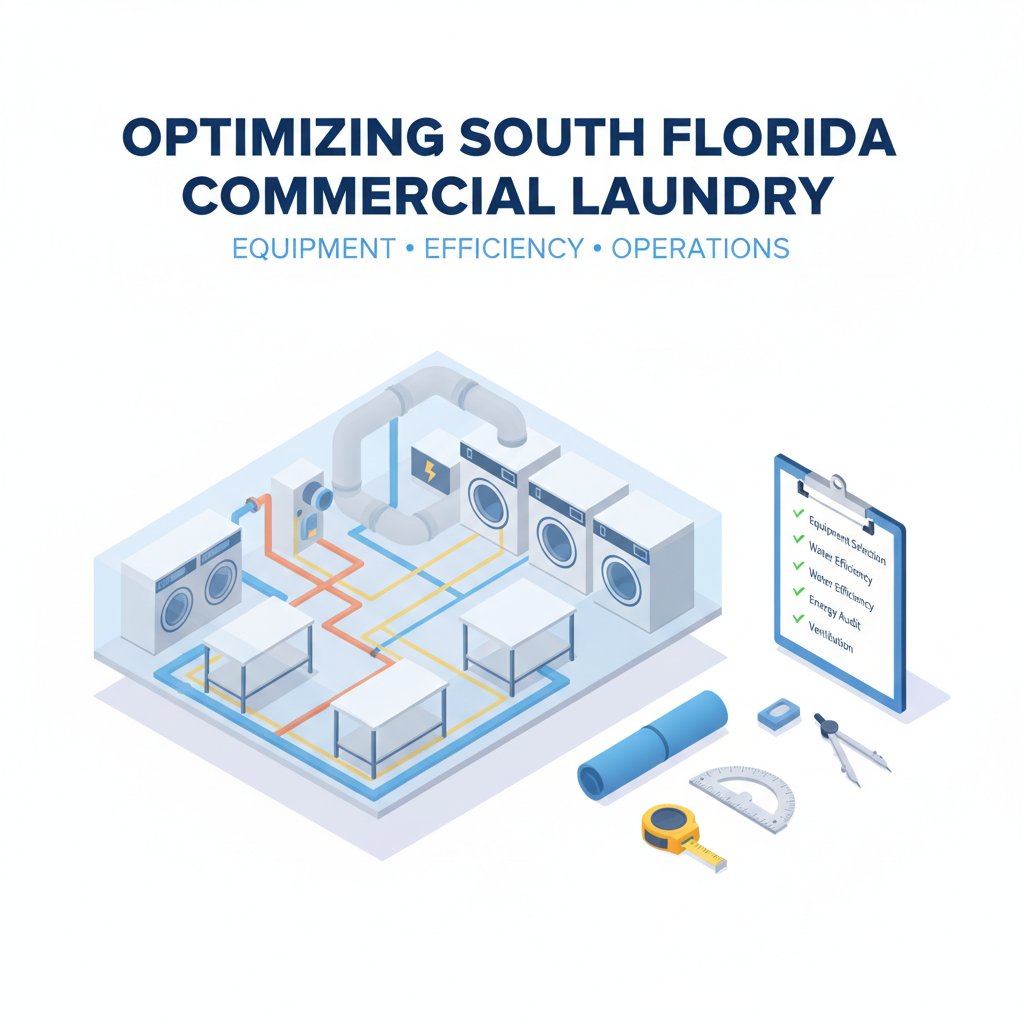
Successful commercial laundry equipment installation begins months before the first machine arrives. The planning phase determines equipment selection, space configuration, and utility infrastructure requirements.
Site Assessment and Space Requirements
Commercial washers and dryers require significantly more space than residential equipment. A 40-pound washer needs approximately 30 square inches of floor space, while 60-80 pound machines require 35-45 square inches. Beyond the equipment footprint, you need adequate clearance for loading, maintenance access, and safe operation.
Ceiling height matters more than many realize. Standard equipment requires 8-foot ceilings minimum, but consider ventilation ductwork, electrical conduit, and potential equipment stacking when evaluating vertical space. Many South Florida commercial buildings have adequate ceiling height, but older structures may present challenges requiring creative solutions.
Floor loading capacity is critical for hardmount washers. A 60-pound capacity washer weighs approximately 800 pounds empty and can generate dynamic loads exceeding 1,200 pounds during the spin cycle. Your structural engineer must verify the floor can handle these loads, particularly in second-floor installations or older buildings.
Utility Infrastructure Evaluation
Commercial laundry equipment places substantial demands on water, gas, electrical, and drainage systems. Inadequate utility capacity causes equipment to underperform and can damage machines over time.
Water supply requires both adequate pressure (typically 40-60 PSI) and volume. A commercial laundry processing 500 pounds of linen daily needs approximately 15-20 gallons per minute supply capacity. Factor in simultaneous use when calculating requirements—multiple machines filling at once can overwhelm undersized supply lines.
Gas supply for dryers often requires upgrading existing lines. A single commercial dryer consumes 100,000-175,000 BTU per hour. A four-dryer installation needs 600,000+ BTU capacity, exceeding what most existing gas lines deliver. Working with a licensed commercial laundry equipment supplier ensures proper sizing during the planning phase.
Electrical requirements vary dramatically based on equipment specifications. Single-phase 220V works for smaller equipment, but most commercial installations require three-phase power. Washers with integral heating need substantial electrical capacity—a 60-pound washer with electric heat may draw 30-40 amps. Consult with your commercial laundry equipment company early to specify exact electrical requirements for your chosen equipment.
Drainage capacity must handle peak discharge rates. Commercial washers drain rapidly—a 60-pound washer can discharge 80+ gallons in less than two minutes. Inadequate drainage causes backups, flooding, and equipment shutdowns. Drainage systems must include proper venting and should incorporate some redundancy for reliability.
Building Code Compliance in South Florida
Florida’s building codes incorporate specific requirements for commercial laundry installations. Compliance isn’t optional—inspectors will verify proper installation before issuing certificates of occupancy or operation permits.
The Florida Building Code requires proper ventilation for commercial dryers. Gas dryers need dedicated exterior venting with makeup air systems sized to replace exhausted air. Ductwork must be rigid metal (aluminum or galvanized steel), properly supported, with minimal bends and appropriate termination outside the building.
Backflow prevention devices are mandatory for commercial laundry water supplies. These devices prevent contaminated water from flowing back into potable water systems. South Florida municipalities enforce these requirements strictly, and installations require inspected certification.
Gas installations must be performed by licensed contractors following NFPA 54 (National Fuel Gas Code) requirements. This includes proper pipe sizing, pressure testing, leak detection, and emergency shutoff valves accessible for quick emergency response.
ADA compliance may apply depending on your facility type. Public laundromats must provide accessible equipment, proper aisle widths, and appropriate controls placement. Multi-housing facilities often require designated accessible machines in common laundry areas.
Equipment Selection Considerations for Installation
The equipment you choose directly impacts installation requirements and costs. Understanding these relationships helps optimize your investment.
Hardmount vs. Softmount Washers
Hardmount washers bolt directly to the floor, requiring structural floors (typically concrete) capable of handling dynamic loads. These machines offer faster extraction speeds (up to 450 G-force) and shorter cycle times but demand proper floor preparation and anchoring.
Softmount washers include internal suspension systems that absorb vibration. They can install on upper floors or less robust structures but typically operate at lower extraction speeds (200-300 G-force), resulting in longer drying times and higher energy costs over the equipment’s lifespan.
For South Florida commercial installations, hardmount equipment generally delivers better long-term value in ground-floor applications, while softmount machines make sense for second-floor or structural-limited locations.
Vended vs. OPL Equipment
Vended equipment includes coin, card, or mobile payment systems and requires integration with payment processors and potentially management software. Installation must accommodate payment system wiring, network connectivity for remote monitoring, and sometimes additional electrical circuits for payment devices.
On-premise laundry (OPL) equipment serves hotels, hospitals, nursing homes, and similar facilities processing their own linens. These installations typically include programmable controls, chemical injection systems, and sometimes automated material handling equipment. Planning must account for these integrated systems from the beginning.
The Installation Process: What to Expect
Professional commercial laundry equipment installation follows a systematic process ensuring proper function and longevity.
Equipment Delivery and Placement
Commercial equipment is heavy and bulky. Delivery requires clear access paths, adequate door widths (typically 36 inches minimum), and sometimes equipment removal from shipping pallets before moving into position. Second-floor installations may need crane service or freight elevators.
Equipment placement follows your approved layout plan. Proper spacing between machines facilitates operation and maintenance while meeting code requirements for clearances and egress.
Utility Connections
Water connections include hot and cold supply lines with proper shutoff valves for each machine. Professional installations use braided stainless steel hoses or hard-piped connections—never standard rubber hoses that degrade quickly in commercial applications.
Gas connections require licensed plumbers following strict safety protocols. Each dryer needs an individual shutoff valve, and the entire system requires pressure testing and leak detection before operation.
Electrical connections must match equipment specifications exactly. Three-phase equipment requires proper phase rotation, neutral connections, and appropriately sized circuit protection. Only licensed electricians should perform commercial laundry electrical work.
Drainage connections include properly sized drain lines with appropriate venting. Some installations incorporate lint interceptors to prevent drain clogs and extend system life.
Equipment Leveling and Securing
Proper leveling is critical for washer performance and longevity. Unlevel machines vibrate excessively, causing premature wear and potential structural damage. Professional installers use precision levels to ensure equipment sits perfectly level in all directions.
Hardmount washers require anchor bolts embedded in the concrete floor. This permanent mounting prevents machine movement during high-speed extraction cycles.
Testing and Commissioning
After installation, each machine undergoes thorough testing. This includes verifying proper water fill rates and temperatures, checking drain function, testing heating systems, and running complete wash and dry cycles under load conditions.
Professional installation from an authorized commercial laundry equipment supplier includes operator training. Your staff learns proper equipment operation, basic troubleshooting, and maintenance requirements that extend equipment life and prevent unnecessary service calls.
Common Installation Mistakes to Avoid
Learning from others’ mistakes saves money and frustration. These common errors appear repeatedly in poorly planned installations.
Undersized utilities: Attempting to save money by minimizing utility upgrades creates ongoing operational problems. Equipment performs poorly, cycles take longer, and energy costs escalate when utilities can’t deliver required capacity.
Inadequate ventilation: Insufficient dryer ventilation causes extended dry times, excessive heat buildup, and potential safety hazards. Proper ventilation requires appropriate duct sizing, minimal bends, and adequate makeup air.
Poor drainage planning: Drainage systems without adequate capacity or proper venting cause backups and flooding. Including cleanout access points facilitates future maintenance.
Wrong equipment for the application: Installing residential-grade or light-duty equipment in heavy-use commercial applications leads to rapid failure and costly replacements. Match equipment specifications to actual usage demands.
Ignoring manufacturer specifications: Equipment manufacturers provide detailed installation requirements for good reasons. Deviating from these specifications voids warranties and causes performance problems.
Working with Professional Installation Teams
Commercial laundry equipment installation requires coordination among multiple trades—plumbers, electricians, HVAC contractors, and equipment specialists. A qualified commercial laundry equipment company coordinates these activities, ensuring proper sequencing and integration.
Factory-authorized installation provides important advantages. Authorized installers receive manufacturer training on specific equipment models, understand warranty requirements, and have direct access to technical support when questions arise.
Local service presence matters significantly. When installation issues arise or future service needs occur, having your equipment supplier nearby in South Florida ensures rapid response and minimizes downtime.
Cost Considerations and Budgeting
Installation costs typically represent 15-25% of total project investment. A $50,000 equipment package may require $7,500-$12,500 in installation costs, plus utility upgrades ranging from minimal to substantial depending on existing infrastructure.
Attempting to minimize installation costs often increases long-term expenses. Proper installation from experienced professionals costs more initially but delivers reliable operation, lower maintenance costs, and expected equipment lifespan.
Budget for contingencies. Older buildings often reveal unexpected issues during installation—inadequate electrical service, asbestos insulation requiring abatement, or structural concerns needing remediation. Maintaining a 10-15% contingency fund prevents project delays when surprises emerge.
Frequently Asked Questions
How long does commercial laundry equipment installation take?
Installation timelines vary based on project scope. Simple equipment replacement in existing spaces with adequate utilities may take 2-3 days. New installations requiring utility upgrades and building modifications typically need 2-4 weeks, with larger projects extending to 6-8 weeks when substantial construction is involved.
Can I install commercial laundry equipment myself?
While some aspects of installation don’t require professional expertise, gas connections, electrical work, and proper equipment commissioning should be performed by licensed professionals. DIY installation typically voids equipment warranties and creates potential liability issues.
Do I need permits for commercial laundry installation?
Yes. South Florida municipalities require permits for commercial laundry installations, including electrical, plumbing, and mechanical permits. Your installation contractor typically handles permit applications and coordinates required inspections.
What maintenance access should I plan during installation?
Equipment requires access from multiple sides for maintenance. Plan minimum 36-inch clearance behind washers for water connection access and sufficient space beside and in front for component replacement and repair work.
Ready to Start Your Installation Project?
Proper commercial laundry equipment installation south florida requires expertise, planning, and coordination across multiple disciplines. Partnering with an experienced commercial laundry equipment supplier who understands local building codes, has factory authorizations, and maintains local service presence ensures your investment delivers expected returns.
Don’t approach this critical decision alone. Professional guidance during the planning phase prevents expensive mistakes and ensures your installation meets operational needs, building codes, and long-term business objectives. Contact a qualified commercial laundry equipment company to discuss your specific requirements and develop a comprehensive installation plan tailored to your facility and operational goals.