
UniMac Light Commercial Equipment — South Florida's Authorized Distributor
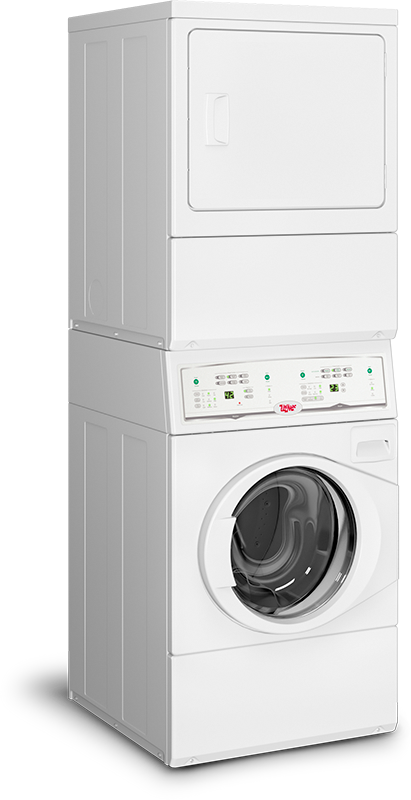
Small to mid-size facilities that need commercial-grade durability without full industrial capacity. CLEC sells, installs, services, and supplies parts for the complete UniMac light commercial line — washers, dryers, stack dryers, and stacked washer/dryer units.
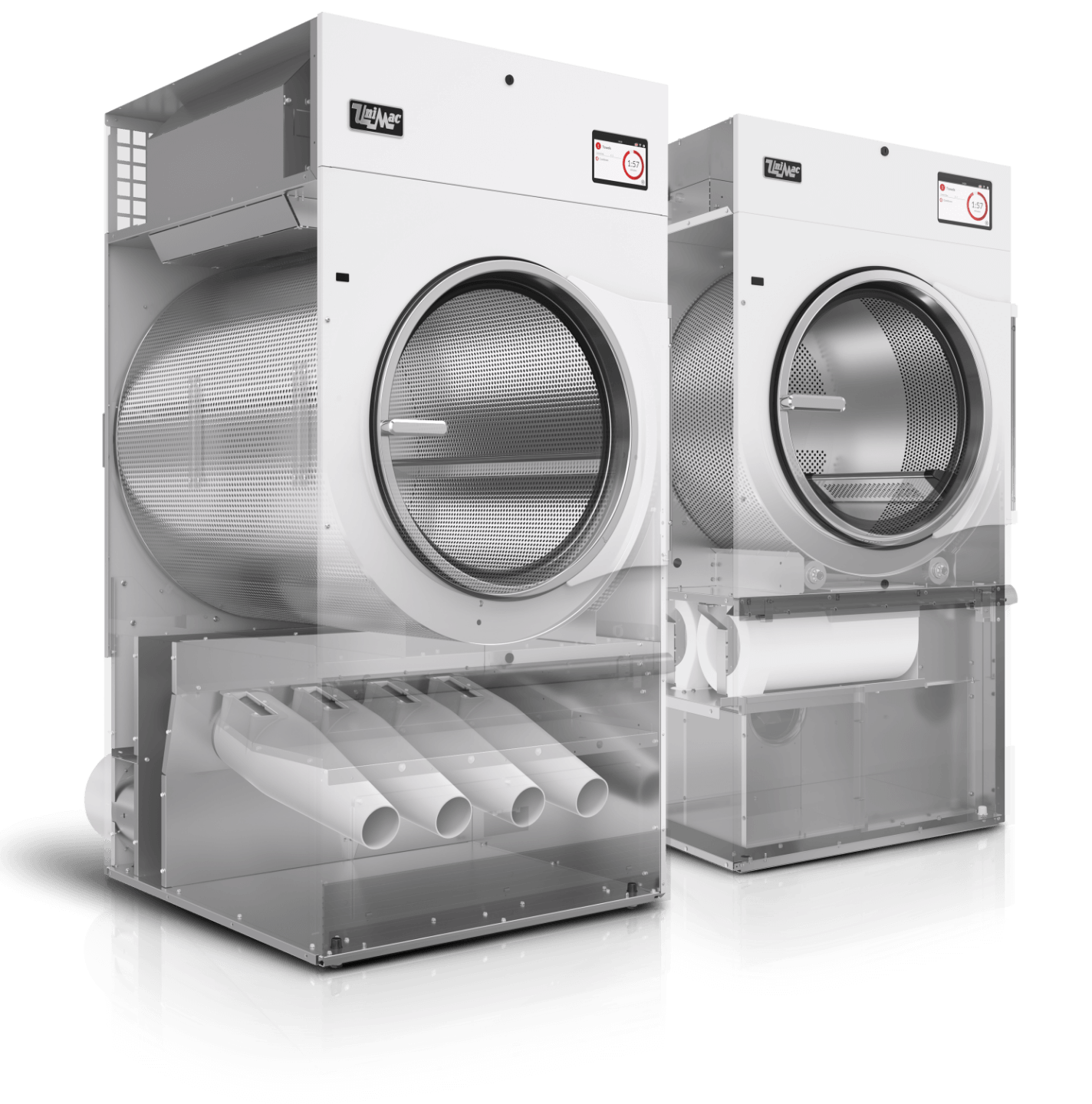
Four Equipment Categories
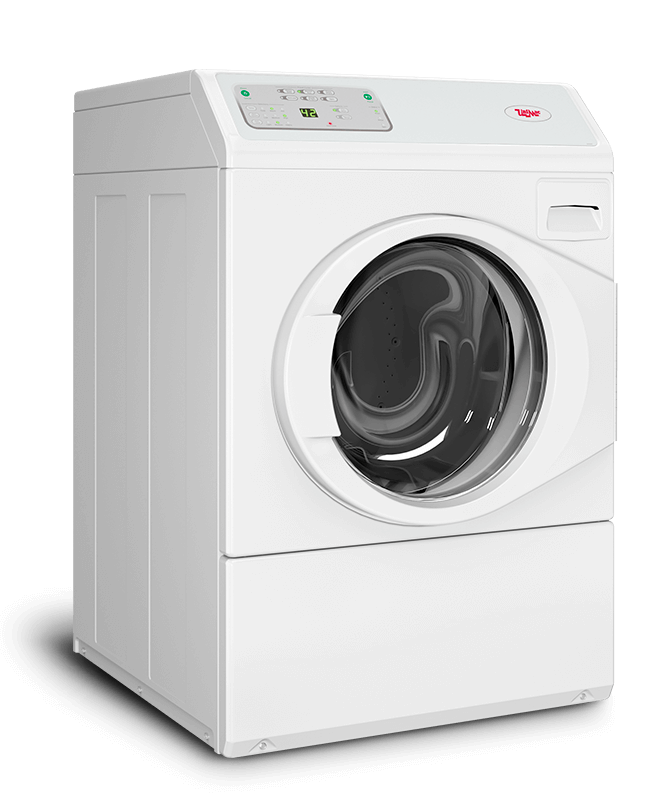
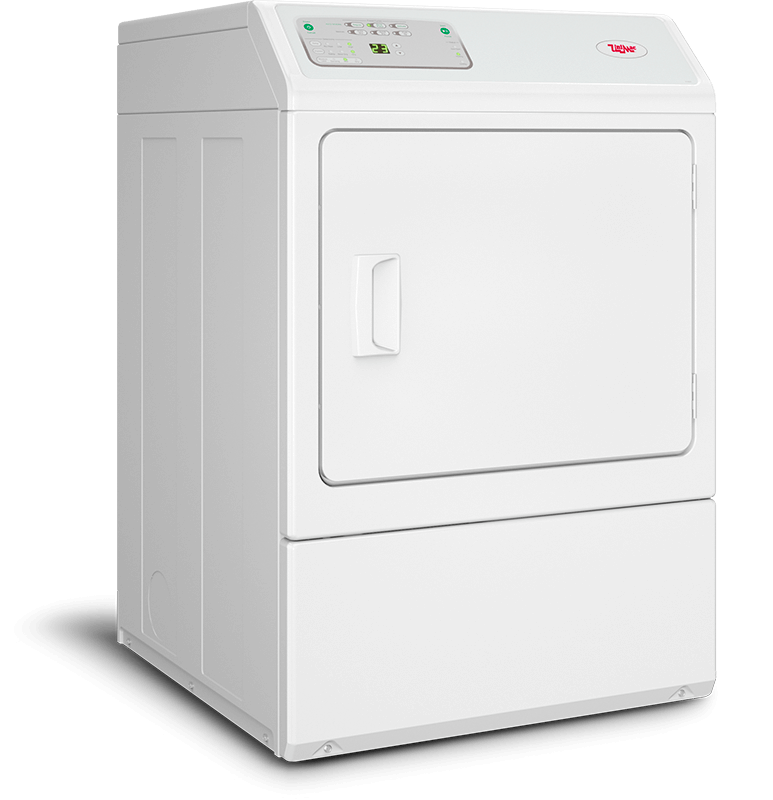
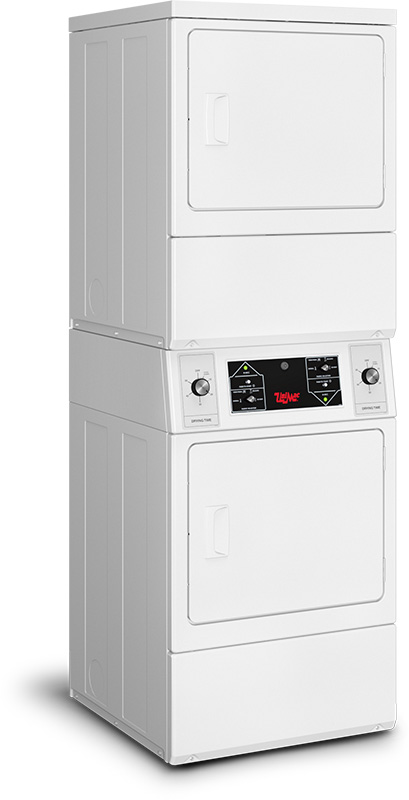
The UniMac light commercial line covers the full laundry room — from standalone washers and dryers to space-saving stacked combinations. CLEC is your authorized local source for all four.
How to Select Light Commercial Equipment for Your Facility
Not every facility needs industrial-capacity machines. Light commercial equipment is built for operations that process moderate laundry volumes with commercial reliability — without the footprint, utility requirements, or cost of full OPL systems.
What Makes Light Commercial Different from Residential
Light commercial equipment looks similar to residential machines, but the internals are built for a completely different use case. Commercial-grade components, heavier-duty motors, reinforced drums, and commercial control boards are designed to handle daily use in a business environment — not the 2–3 loads per week a home machine sees.
Cycle ratings matter. Residential washers are typically rated for 3,000–5,000 cycles over their lifetime. UniMac light commercial machines are rated for 15,000–25,000+ cycles. If you're running laundry daily, a residential machine will fail in under a year. A commercial machine will run for 10+ years with proper maintenance.
What to Know Before Installing Light Commercial Equipment
Light commercial equipment has specific installation requirements that differ from residential machines. Getting the setup right the first time prevents service calls, equipment damage, and voided warranties.
Is Light Commercial the Right Equipment for Your Facility?
UniMac light commercial equipment is built for facilities that need more durability and cycle life than residential machines, but don't require the heavy-capacity washer-extractors designed for hospitals, hotels, and large institutions.
The light commercial line is a natural fit for smaller operations where a stacked unit or compact washer-dryer pair covers the volume — and where floor space is a real constraint. If you're not sure whether light commercial or full OPL equipment is the better choice for your situation, call us and we'll talk through it with you honestly.
Light Commercial Equipment FAQ
Common questions about UniMac light commercial washers, dryers, and stacked units.
Call us at 561-848-0054. We'll walk you through equipment selection, sizing, and installation requirements for your facility.
561-848-0054Light commercial equipment is designed for facilities processing 50–300 lbs of laundry per day. If you're doing daily loads but not running equipment back-to-back continuously, light commercial is the right fit. Full OPL washer-extractors (20–450 lb capacity) are built for operations that process hundreds or thousands of pounds daily — hotels, hospitals, large nursing homes, and commercial laundries.
If you're unsure, call us. We'll ask about your weekly volume, peak load times, and linen types, and recommend the appropriate equipment line honestly. We sell both — there's no incentive to upsell you into equipment that's bigger than what you need.
You can, but you shouldn't. Residential washers and dryers are rated for 2–3 loads per week over a 7–10 year lifespan. Running them daily in a commercial environment burns through their cycle life in under a year. When they fail, the warranty won't cover commercial use — and you'll be replacing equipment annually instead of every 10+ years.
Light commercial equipment costs more upfront, but the math works in your favor quickly. A $2,000 residential washer that dies in 10 months costs you $2,000 per year. A $4,500 commercial washer that runs for 12 years costs you $375 per year — and has far less downtime.
Front-load washers are more water-efficient, gentler on fabrics, and extract more water during the spin cycle (which reduces dryer time). They're the better choice for most commercial applications, especially if you're washing linens, towels, or delicate items regularly.
Top-load washers are a good fit if you're primarily washing small, everyday loads and want familiar loading mechanics. They have a lower acquisition cost and are easier to load for some users. If water efficiency and fabric care are priorities, go front-load. If simplicity and cost are priorities, top-load works.
Gas dryers heat faster and typically have lower operating costs in areas with affordable natural gas rates. Electric dryers don't require gas line installation or venting for combustion gases — just exhaust venting for moisture. The choice usually comes down to what utilities you have available and local energy costs.
If your facility already has natural gas service, gas dryers are usually the more cost-effective option long-term. If you don't have gas and would need to run a new line, electric dryers are often the simpler and cheaper installation.
Yes. Stacked units use the same commercial-grade components as standalone washers and dryers — they're just configured vertically to save floor space. The washer and dryer are independent machines, not a combo unit. They run separately and have the same cycle ratings, motor durability, and component lifespan as side-by-side configurations.
The main trade-off with stacked units is loading/unloading ergonomics — the top unit (usually the dryer) sits higher. If you're processing laundry all day, side-by-side might be more comfortable for your staff. If floor space is limited, stacked units deliver full functionality in half the footprint.
With proper maintenance, UniMac light commercial equipment typically lasts 10–15 years in daily-use environments. Cycle ratings are 15,000–25,000+ cycles depending on the model. A facility running 5–7 loads per day, 6 days per week, gets roughly 10–12 years before reaching end of service life.
Key to longevity: follow the maintenance schedule (clean lint traps daily, inspect hoses and belts quarterly, descale washers annually), use commercial detergents at proper concentrations, and address minor issues before they become major failures. Equipment that's maintained properly lasts significantly longer than equipment that's run until it breaks.
CLEC handles the full installation — delivery, unpacking, utility connections (water, drain, gas or electric), leveling, testing, and confirming everything runs correctly before we leave. You don't need to hire a separate plumber, electrician, or contractor. One company, one installation team, one invoice.
We also coordinate any necessary utility upgrades (electrical panel work, gas line extensions, etc.) with licensed contractors if your facility needs them. The goal is to make the installation as simple as possible for you.
CLEC's factory-trained service technicians handle all repairs and maintenance for equipment we sell. We stock OEM parts for UniMac light commercial equipment, so most repairs are completed on the first visit. For customers in Palm Beach and Broward Counties, service is handled locally — same team, same company that installed your equipment.
For parts, call our Parts Manager Pedro Vazquez at extension 207. He'll identify the correct part and get it to you fast. One phone number, one company accountable for sales, installation, service, and parts.
Not Sure What You Need? Just Call.
We'll ask a few questions about your facility and volume, and give you a straight recommendation — whether that's a light commercial unit, a full OPL machine, or a stacked combination. No obligation, no sales pressure.